
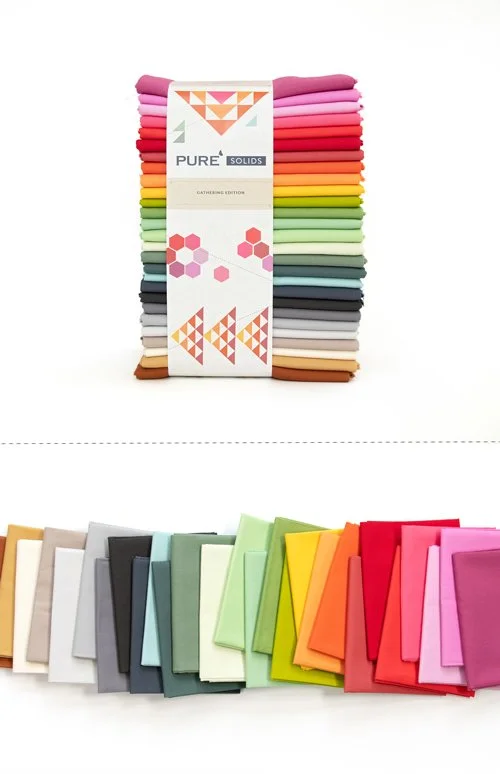
What Are Precuts—and Why Sewists Love Them
If you’ve spent any time in a fabric shop or browsing online quilting stores, you’ve probably seen neatly bundled stacks of fabric labeled fat quarters, jelly rolls, or layer cakes. These are known as precuts, and they’ve become a staple in the modern sewing and quilting world. But what exactly are precuts, and why are so many sewists obsessed with them?
Let’s break it down.
What Are Precuts?
Precuts are pieces of fabric that have been cut in advance into standardized sizes, usually from a single fabric collection or designer line. Instead of buying yardage and cutting everything yourself, you start with fabric that’s already measured, trimmed, and ready to sew.
Some of the most common types of precuts include:
Fat Quarters (18" x 22"): A quilter’s classic—versatile and easy to mix and match
Fat Eighths (9" x 22"): Smaller cuts, perfect for detailed projects
Jelly Rolls (2.5" x width of fabric strips): Long strips rolled into a bundle
Charm Packs (5" x 5" squares): Great for patchwork and small projects
Layer Cakes (10" x 10" squares): Ideal for quick quilts and bold designs
Mini Charm Packs (2.5" x 2.5" squares): Tiny but mighty for scraps and accents
Each bundle typically features coordinated prints and colors, making them both practical and visually inspiring.
The Benefits of Sewing with Precuts
1. Huge Time Savings
One of the biggest advantages of precuts is the time you save on cutting. Measuring, squaring, and trimming fabric can take hours—especially for large quilting projects. Precuts let you jump straight into sewing, which is a major win if your crafting time is limited.
2. Perfectly Coordinated Fabrics
Precuts are usually pulled from a single designer collection, meaning every print already works together. No second-guessing color choices or worrying whether patterns will clash—it’s all been thoughtfully curated for you.
3. Less Waste, Less Stress
Because precuts are cut to specific sizes, you often end up with less leftover fabric and fewer oddly shaped scraps. They’re efficient, predictable, and easier to plan around, especially for beginners.
4. Beginner-Friendly
If you’re new to sewing or quilting, precuts remove a big barrier to entry. You don’t need advanced cutting skills or special rulers to get started. Many patterns are written specifically for precuts, so you can follow along with confidence.
5. Great for Scrap-Style Projects
Love the look of scrappy quilts but don’t have a huge stash? Precuts give you variety without the clutter. One bundle can include dozens of different prints in manageable quantities.
6. Easy Storage and Organization
Let’s be honest—precuts are just plain pretty. They stack neatly, store easily, and look amazing on shelves or in clear bins. Organization becomes simpler, and inspiration is always within reach.
When Are Precuts Especially Useful?
Precuts shine in projects like:
Quilts (especially patchwork and block-based designs)
Table runners and placemats
Tote bags and pouches
Baby blankets
Home décor accents
Quick gifts and weekend projects
They’re also perfect when you want to try a new fabric line without committing to full yardage.
A Few Things to Keep in Mind
While precuts are incredibly convenient, they’re not always the cheapest option per yard, and their fixed sizes mean less flexibility for certain designs. It’s still helpful to understand basic cutting and yardage planning—but many sewists find precuts are well worth the tradeoff.
Final Thoughts
Precuts have earned their place in the sewing world for a reason. They save time, reduce stress, spark creativity, and make sewing more accessible to everyone—from absolute beginners to seasoned pros. Whether you’re stitching your first quilt or your fiftieth, precuts can help you spend less time cutting and more time doing what you love: sewing.
Happy stitching
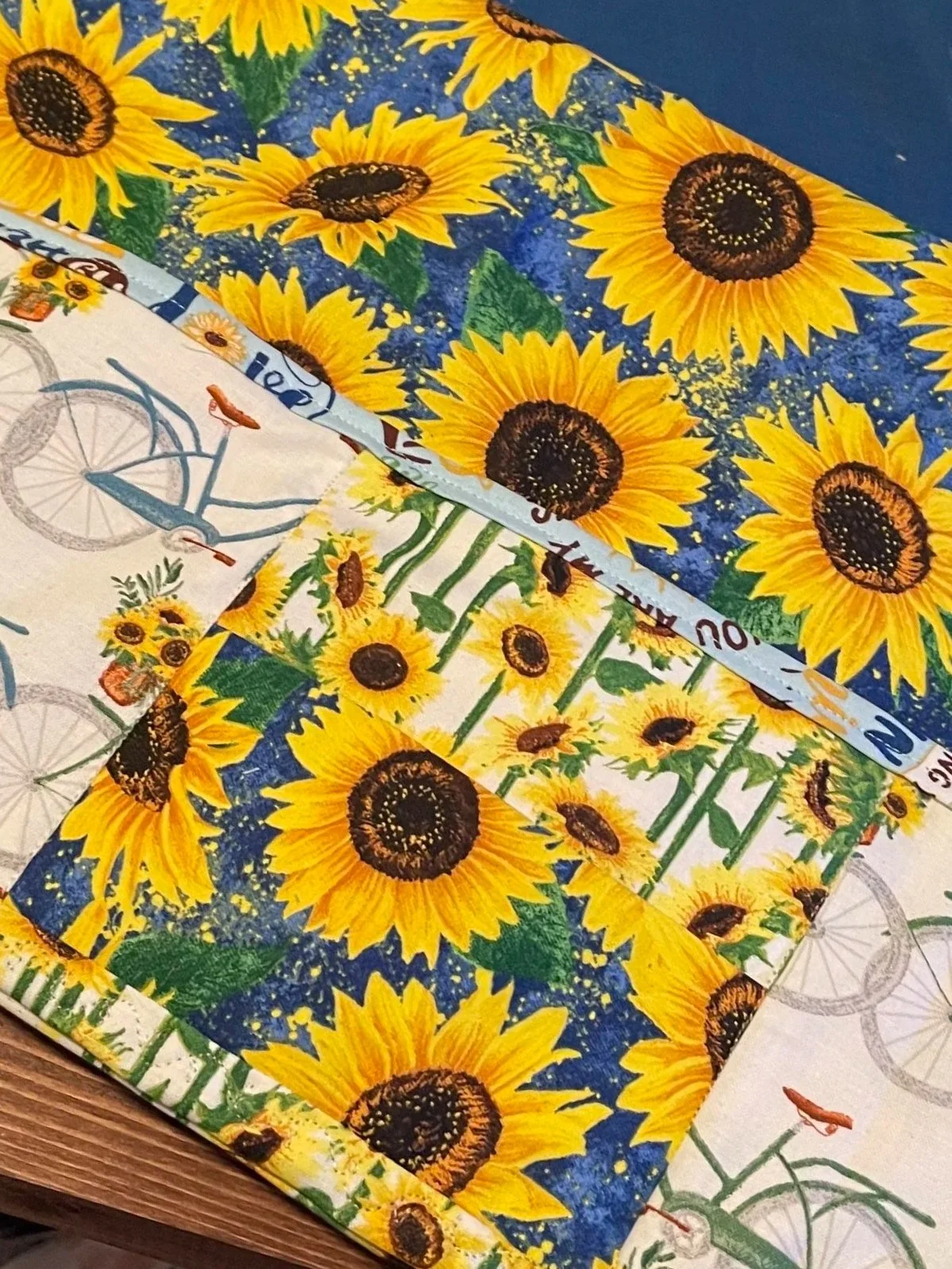
Beginner Sewing Class FAQ
Frequently Asked Questions
Q: Is this class good for complete beginners?
A: Yes! This class is designed specifically for beginners—no prior sewing experience is needed.
Q: How long is the class?
A: The class is 1 hour, making it an easy and fun way to get started with sewing.
Q: What will I learn in the class?
A: You’ll learn basic sewing machine skills and essential stitching techniques while completing a beginner-friendly project.
Q: Are materials provided?
A: Yes! All materials needed for the class are provided.
Q: Do I need to bring a sewing machine?
A: Yes, participants are asked to bring their own sewing machine. If you don’t have one yet, please reach out in advance to ask about possible loaner availability.
Q: Is this a hands-on class?
A: Absolutely. This is a hands-on class where you’ll be sewing with guidance and support throughout.
Q: What will I leave with after the class?
A: You’ll leave feeling confident, inspired, and ready to sew—plus an exclusive beginner sewing project guide to help you continue creating at home.
Q: Are there opportunities for future classes?
A: Yes! After this class, you’ll have the chance to join project-based classes that build your skills and provide ongoing support—perfect for continuing your sewing journey.
Ready to start sewing?
Spots are limited—sign up today and take your first stitch with confidence.
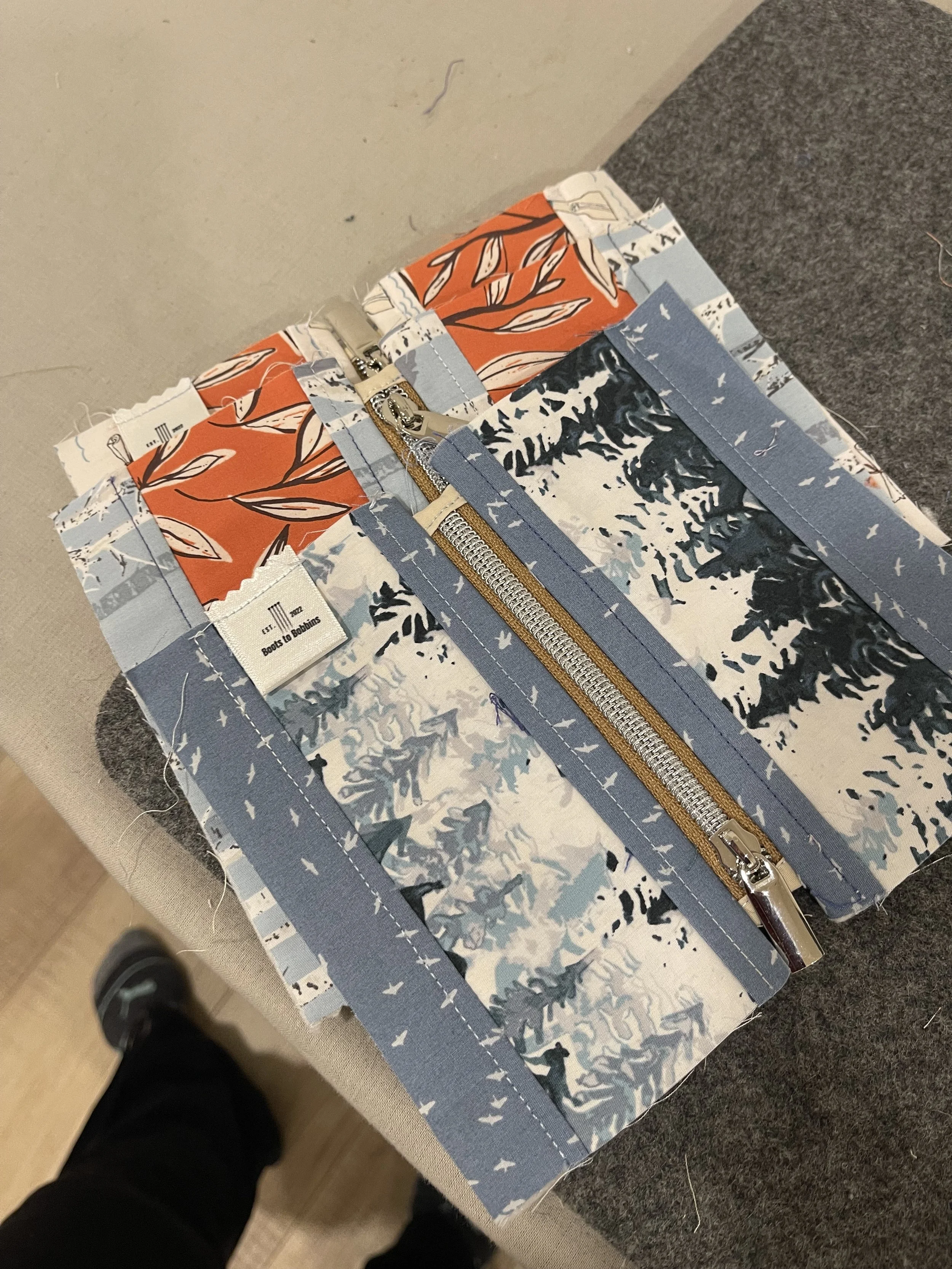
Why Sewing Is Still a Big Deal
Sewing might sound a little old-school, but it’s actually one of those skills that never goes out of style. In fact, it’s more useful now than ever.
At its core, sewing is about being able to fix, create, and personalize things for yourself. It’s practical, creative, and surprisingly empowering.
Sewing is:
Economical
Ever had a favorite pair of jeans rip or a button fall off at the worst time? Sewing lets you fix those little problems instead of throwing clothes away or spending money on replacements. Even basic sewing skills can help your wardrobe last way longer.
Environmentally Friendly
Fast fashion has made it easy to buy cheap clothes and toss them when something goes wrong. Sewing helps break that cycle. When you know how to mend or upcycle, you’re more likely to reuse what you already have—and that’s a win for the environment.
Promotes Creativity
There’s something really fun about turning fabric into something you can actually wear or use. You get to choose the colors, patterns, and details that feel right for you. No two handmade pieces are the same, and that’s part of the magic.
Builds Confidence
Finishing a sewing project feels good. Like, really good. Each project teaches you patience, problem-solving, and how to work through mistakes. That confidence often spills over into other parts of life.
Relaxing
Sewing gives your hands something to do and your mind a break. Many people find it calming and satisfying, especially in a world full of screens and constant notifications. It’s a chance to slow down and focus on something real.
Builds Community
Whether you’re learning from a family member, taking a class, or sewing with friends, sewing is more fun when it’s shared. It creates a sense of community and support—and makes learning feel less intimidating.
The takeaway
Sewing isn’t just about making clothes. It’s about learning a useful skill, expressing yourself, and being a little more mindful about what you wear and use. If you’ve ever thought about trying sewing, there’s no pressure to be perfect—just start.
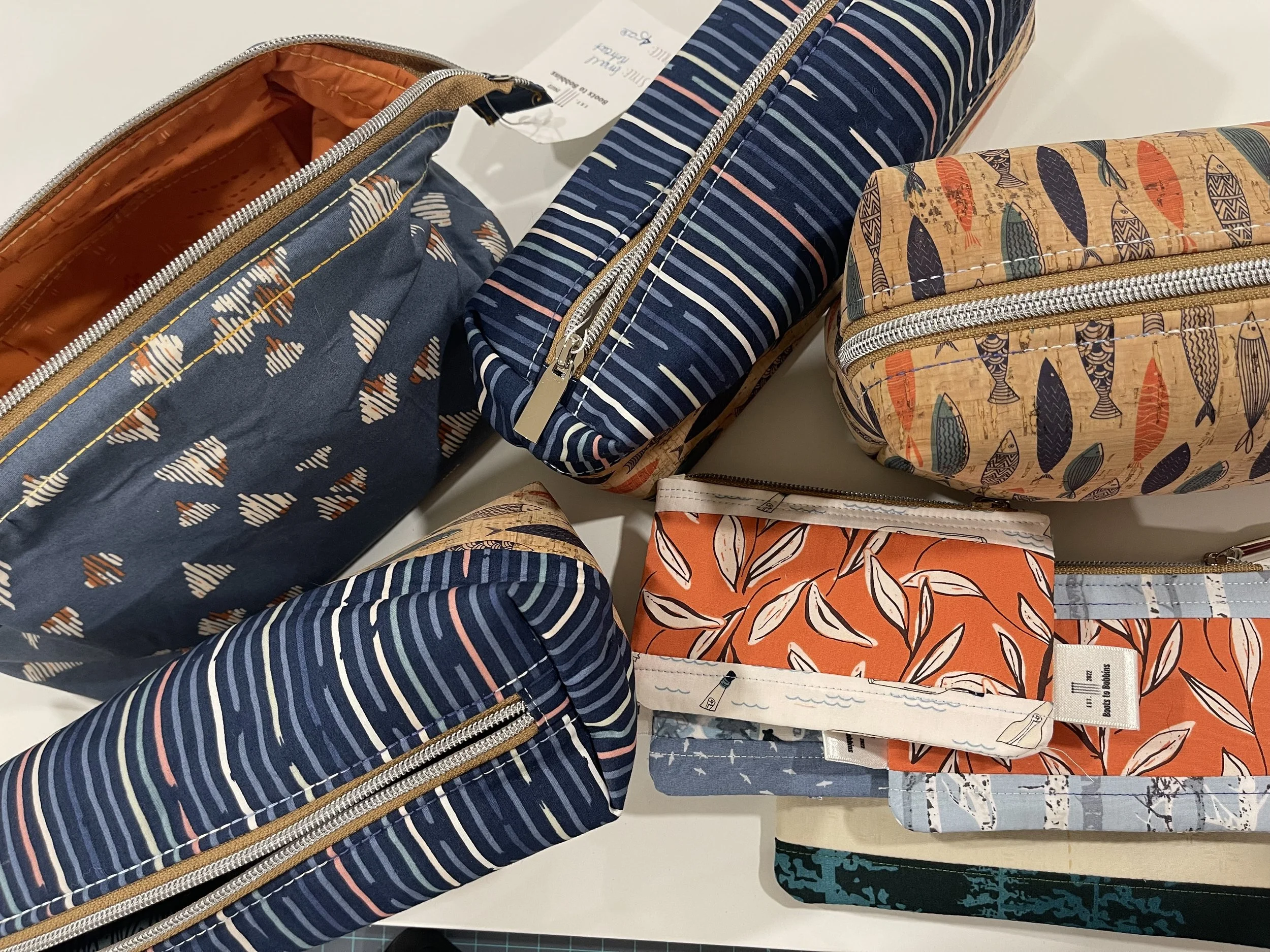
5 Smart Ways Busy Sewists Can Actually Finish Their Projects
Being a sewist is a joy—but let’s be real, life gets busy. Between work, family, and errands, finding time to sew can feel impossible. The good news? With a few smart strategies, even the busiest sewist can see their projects come to life. Here’s how:
1. Break It Down Into Bite-Sized Tasks
You don’t have to finish a dress in one sitting. Break your project into small, achievable steps: cutting fabric, sewing seams, pressing, adding details. Even 15–30 minutes at a time can lead to steady progress.
2. Keep a “Ready-to-Sew” Kit
Pre-cut patterns, thread, and essential tools in a single basket or box. When inspiration strikes—or when you find a spare 20 minutes—you can dive straight in without searching for supplies.
3. Set Micro-Deadlines
Give yourself small, realistic goals. For example: “I’ll finish the bodice by Sunday” or “I’ll hem these pants this week.” Tiny deadlines create momentum without adding stress.
4. Use Time-Saving Tools
Serger for quick seams, rotary cutter for faster cutting, or pre-marked patterns can shave hours off your project. Invest in tools that multiply your sewing time efficiency.
5. Embrace “Done Is Better Than Perfect”
Perfectionism can stall even the most enthusiastic sewist. Sometimes it’s better to finish a project that’s good enough than to leave it half-done. You can always tweak it later.
Bonus Tip: Keep a portable project, like hand-sewing or embroidery, for commutes or waiting rooms. Progress can happen anywhere!
With these strategies, your sewing dreams don’t have to stay on the back burner. Even busy sewists can bring beautiful creations to life—one small stitch at a time.
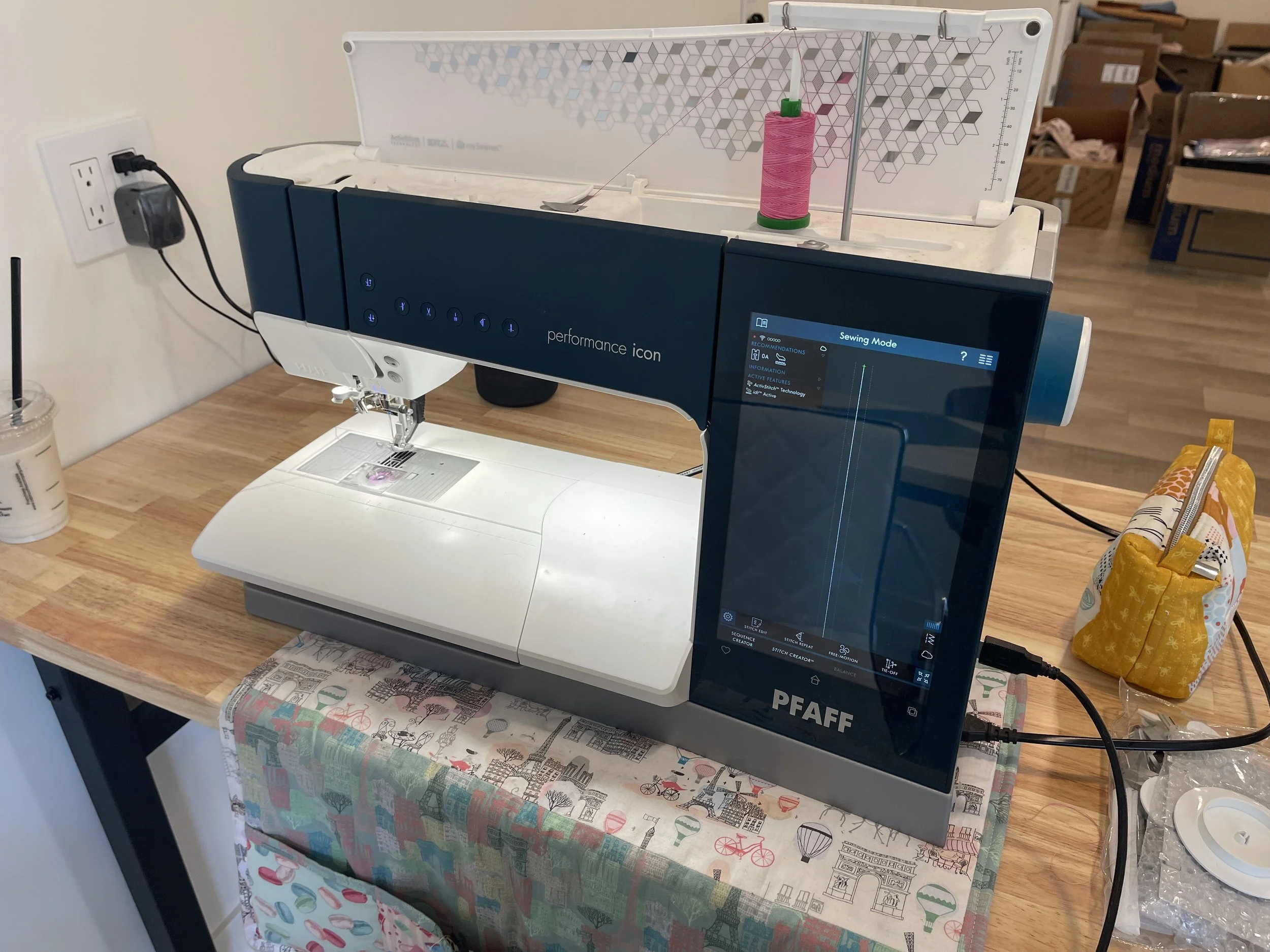
Choosing the Right Sewing Machine for Beginners
Happy stitches start with the machine right for you!
Choosing the Right Sewing Machine for Beginners
If you’re new to sewing, choosing a sewing machine can feel intimidating. With so many options and features, it’s easy to think you need the most advanced machine available. In reality, the best machine for beginners is one that’s reliable, easy to use, and built to last.
When I look for a sewing machine, I focus on simplicity and function. A drop-in (top-loading) bobbin is one of my favorite features, especially for beginners. It’s easier to thread, lets you see how much thread you have left, and helps avoid common tension issues. A machine with clear stitch settings and straightforward controls makes learning much more enjoyable.
It’s also important to choose a machine that can handle a variety of fabrics. Even if you’re starting with simple projects, having a machine with a strong motor, adjustable stitch length, and the ability to sew through thicker layers gives you room to grow. You don’t need dozens of decorative stitches—strong, consistent straight and zigzag stitches go a long way.
Above all, your sewing machine should feel approachable, not overwhelming. A good beginner machine supports your learning, builds confidence, and allows you to focus on creating instead of troubleshooting.
Beginner Sewing Machine Checklist
When shopping for your first machine, look for:
Drop-in (top-loading) bobbin for easy threading and visibility
Simple stitch selection, including straight and zigzag stitches
Adjustable stitch length and width
Strong motor capable of handling multiple fabric layers
Easy-to-read controls (dials or buttons, not complicated menus)
Solid construction that feels sturdy and stable while sewing
Good reviews for reliability and durability
A sewing machine that checks these boxes will give you a strong foundation and plenty of room to grow as your skills develop.